How to Do SEO in 2026: A Beginner’s Guide That Actually Makes Sense

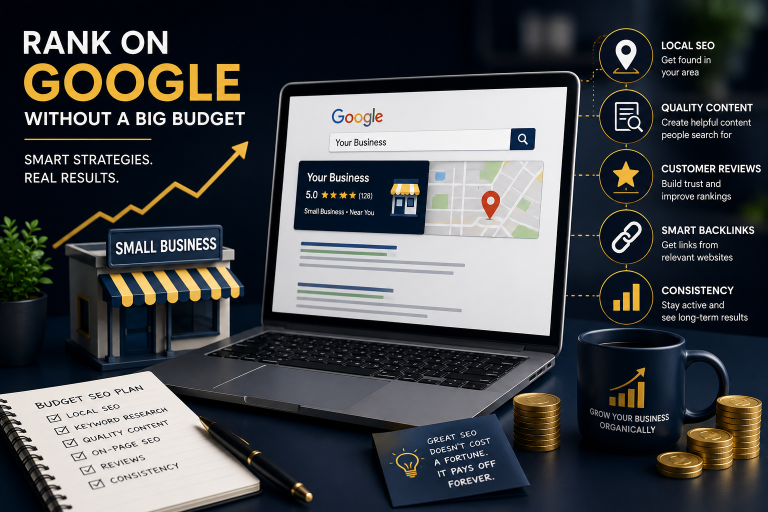
Let’s be honest β€” when most people first hear “SEO,” their eyes glaze over. It sounds technical, complicated, and honestly a little intimidating. But here’s the truth: SEO isn’t rocket science. It’s just about helping Google understand what your website is about β€” and making sure real people actually want to read it.

What you’ll learn

What you’ll learn

  1. What SEO actually is (no jargon, promise)
  2. How to find the right keywords
  3. On-page SEO β€” what to fix on your pages
  4. Technical SEO basics everyone should know
  5. How to build backlinks without being spammy
  6. Local SEO β€” especially useful if you serve Indian markets

1. What Is SEO, Really?

Think of Google as a librarian. When someone types a question into the search bar, Google goes through billions of web pages and picks the ones it thinks are most helpful, trustworthy, and relevant. SEO is the process of making sure your website is one of those picks.

The best part? You don’t pay Google a single rupee for organic traffic. Once you rank, people find you for free β€” day after day.

SEO works on three pillars:Β great content,Β a clean website, andΒ authority from other sites. Get all three right and you’ll be in good shape.

2. Keyword Research β€” Find What People Are Actually Searching For

Here’s where most beginners go wrong β€” they write about what they want to say, not what people are actually searching for. Keyword research bridges that gap.

Start simple. Go to Google and type your topic β€” look at the autocomplete suggestions. Those are real searches from real people. Tools likeΒ Ubersuggest,Β Google Keyword PlannerΒ (free), andΒ AnswerThePublicΒ help you go deeper.

Pro tip

Don’t go after “digital marketing” right away β€” it’s too competitive. Instead, target long-tail keywords likeΒ “affordable digital marketing agency for startups in India.”Β Less competition, more relevant traffic.

3. On-Page SEO β€” Small Tweaks, Big Results

On-page SEO is everything you control directly on your page. Here’s a quick checklist to run through every time you publish:

Title tag

Include your main keyword naturally. Keep it under 60 characters. Make it something you’d actually click.

Meta description

150–160 characters. Think of it as a mini ad β€” tell people why they should click your result over the others.

Headings (H1, H2, H3)

One H1 per page, rest use H2/H3. Use keywords in headings naturally β€” don’t stuff them in.

Image alt text

Google can’t “see” images β€” alt text tells it what the image shows. Describe it in plain language.

Internal links

Link to your other relevant pages. It keeps visitors on your site longer and helps Google crawl everything.

4. Technical SEO β€” The Stuff Happening Behind the Scenes

You don’t need to be a developer for this, but you do need to understand the basics. Technical SEO is about making sure your website is easy for Google to read β€” and fast enough that real users don’t leave in frustration.

The four things that matter most for most websites:

Page Speed

Load under 3 seconds. Use Google PageSpeed Insights to check.

Mobile friendly

Over 70% of Indian users browse on mobile. Non-negotiabl

HTTPS

SSL certificate is a must. Google flags non-HTTPS sites as "Not Secure."

XML sitemap

Submit it to Google Search Console so Google finds all your pages.

5. Backlinks β€” The Internet’s Version of Word-of-Mouth

When another website links to yours, Google sees it as a vote of confidence. The more quality sites that link to you, the more authoritative your site looks. But emphasis on quality β€” one link from a respected industry blog is worth more than 100 links from sketchy directories.

Here’s how to build backlinks without resorting to shady tactics:

  • Write genuinely useful content that people want to reference
  • Guest post on relevant industry blogs
  • Get listed on Indian business directories like Justdial and Sulekha
  • Reach out to partners and clients β€” ask them to mention you on their site
  • Create data, case studies, or original research β€” people link to these naturally

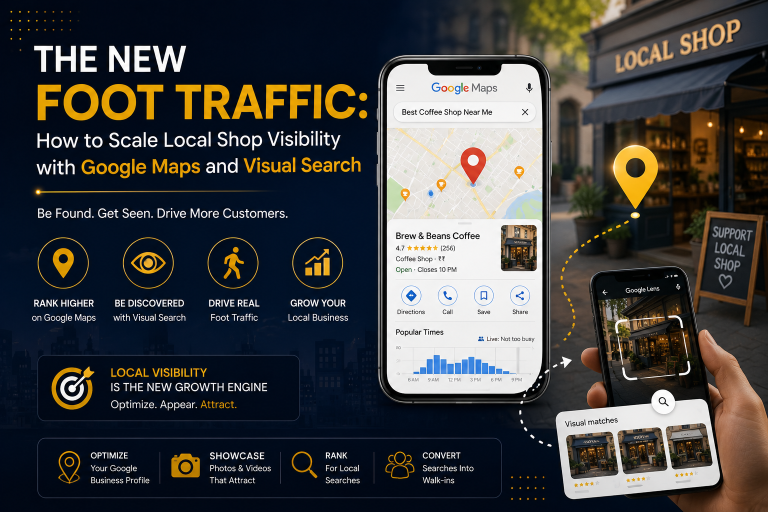
6. Local SEO β€” Win Customers in Your City

If your business serves clients in a specific city or region β€” say, Prayagraj, Delhi, or Mumbai β€” Local SEO is your secret weapon. Most businesses completely ignore this, which means the opportunity is wide open for those who don’t.

Your local SEO checklist

  • Set up (or claim) yourΒ Google Business ProfileΒ β€” it’s free and incredibly powerful
  • Make sure your name, address, and phone number are consistent everywhere online
  • Ask happy clients for Google reviews β€” they genuinely move the needle
  • Add city-specific pages or mentions to your website content
  • Use location-based keywords like “digital marketing agency in Prayagraj”

How Long Does SEO Take?

This is the question everyone asks. Honest answer: typically 3–6 months to see meaningful results. SEO is not a quick fix β€” it’s a long game. But here’s the thing about long games: once you’re winning, you keep winning. Unlike paid ads that stop the moment you stop paying, good SEO keeps bringing you traffic for years.

The businesses that rank on page one today started building their SEO months or years ago. The best time to start was yesterday. The second best time? Right now.

Ready to rank higher on Google?

At Deepscale, we help businesses grow through smart, sustainable SEO strategies β€” no shortcuts, no black-hat tricks. Just results that last. Whether you’re starting from scratch or want to improve your existing rankings, we’d love to help.

Leave a Comment

Your email address will not be published. Required fields are marked *

Scroll to Top